

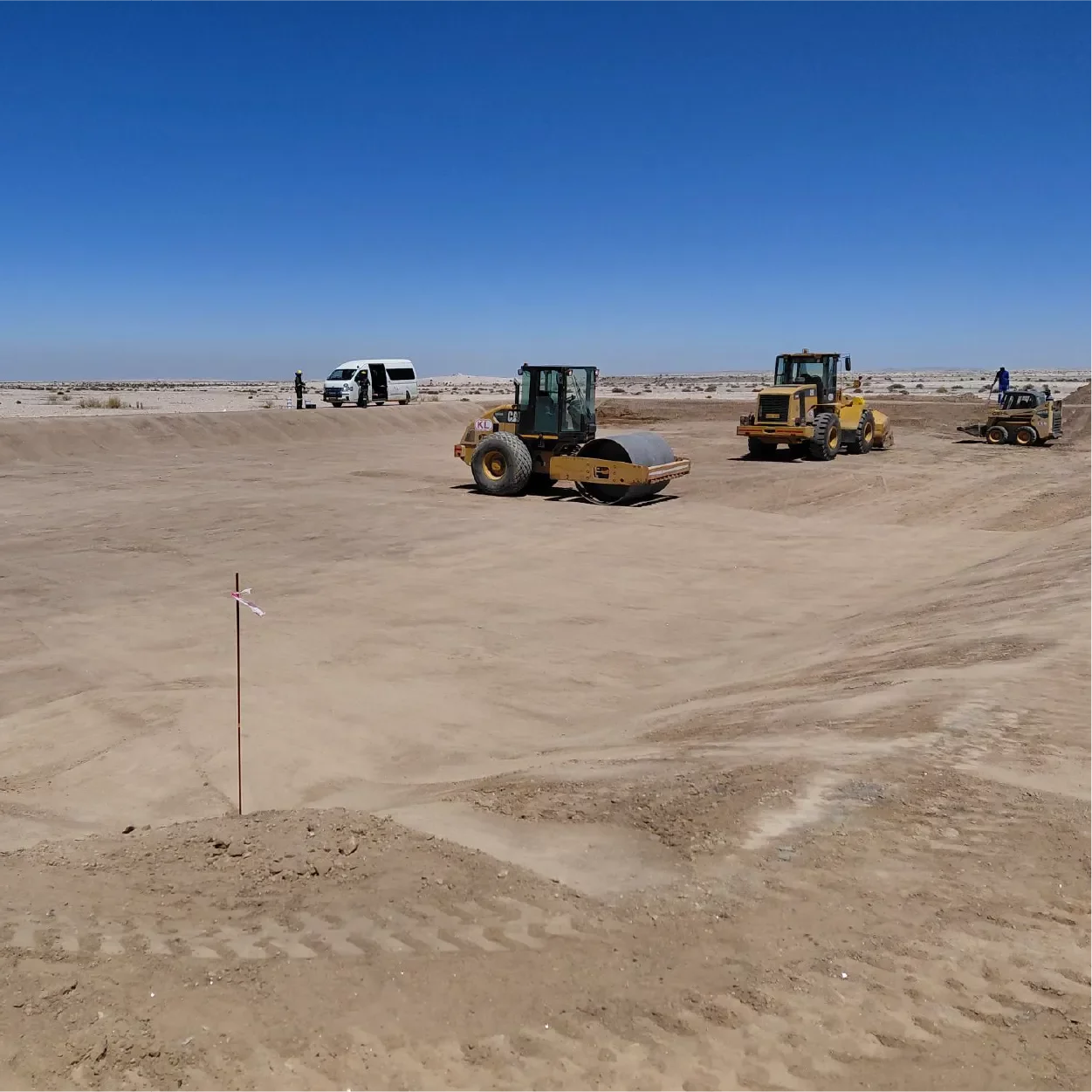
A comprehensive Environmental Impact Assessment (EIA) was undertaken to evaluate the potential environmental and social impacts of the Namwaste Management Facility.
The assessment included independent specialist studies covering groundwater, air quality, biodiversity, hydrology, socio-economic impacts, traffic, archaeology, and other environmental considerations. Public participation and stakeholder engagement also formed an important part of the process.
The findings confirmed that no fatal environmental flaws were identified and that potential impacts can be effectively managed through appropriate mitigation measures, ongoing environmental monitoring, and strict compliance programmes.
Following the successful completion of the EIA process, the Namwaste Management Facility was granted an Environmental Clearance Certificate (ECC) on 5 March 2025, reinforcing Namwaste's commitment to responsible environmental stewardship and sustainable development.
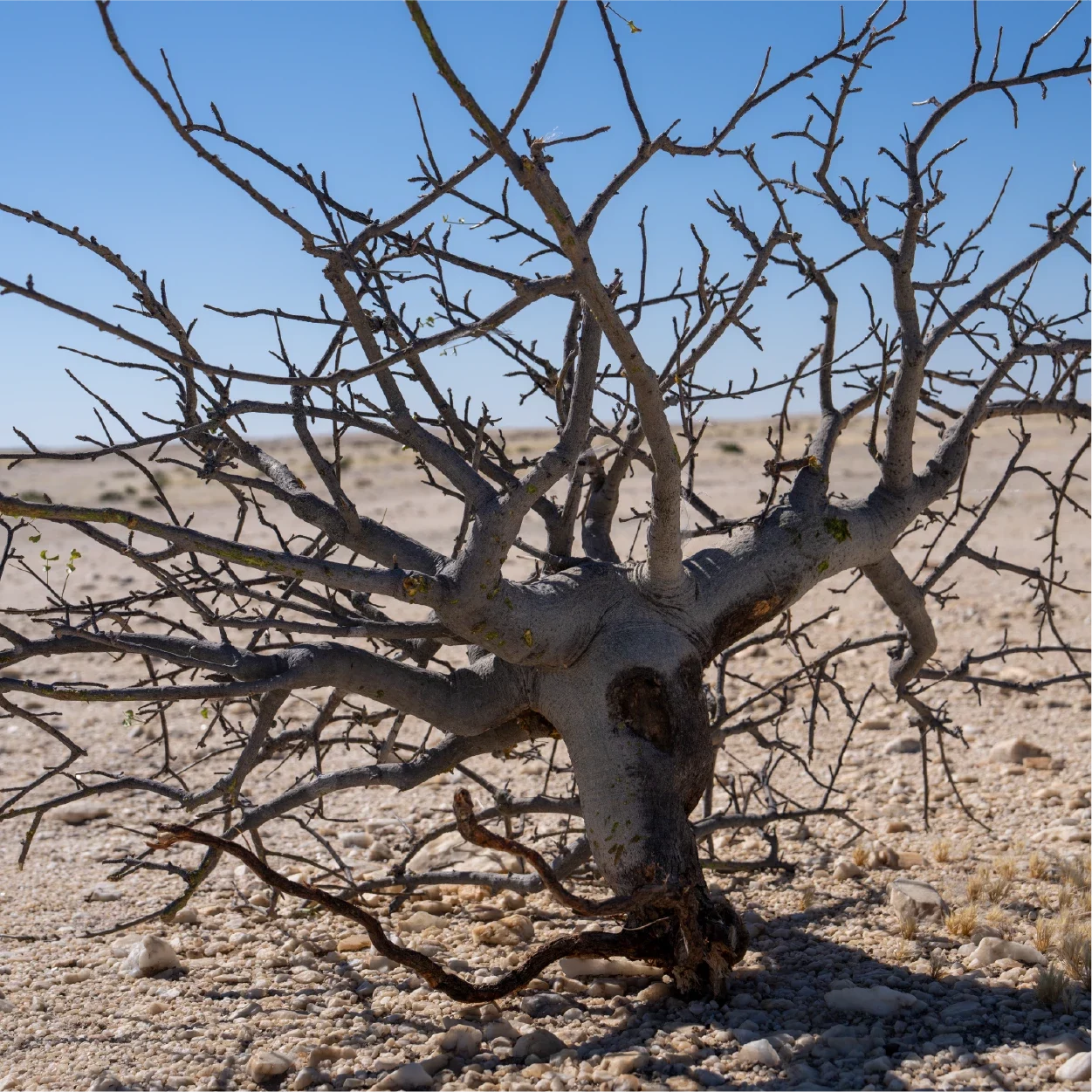
Environmental stewardship forms a core part of the Namwaste project.
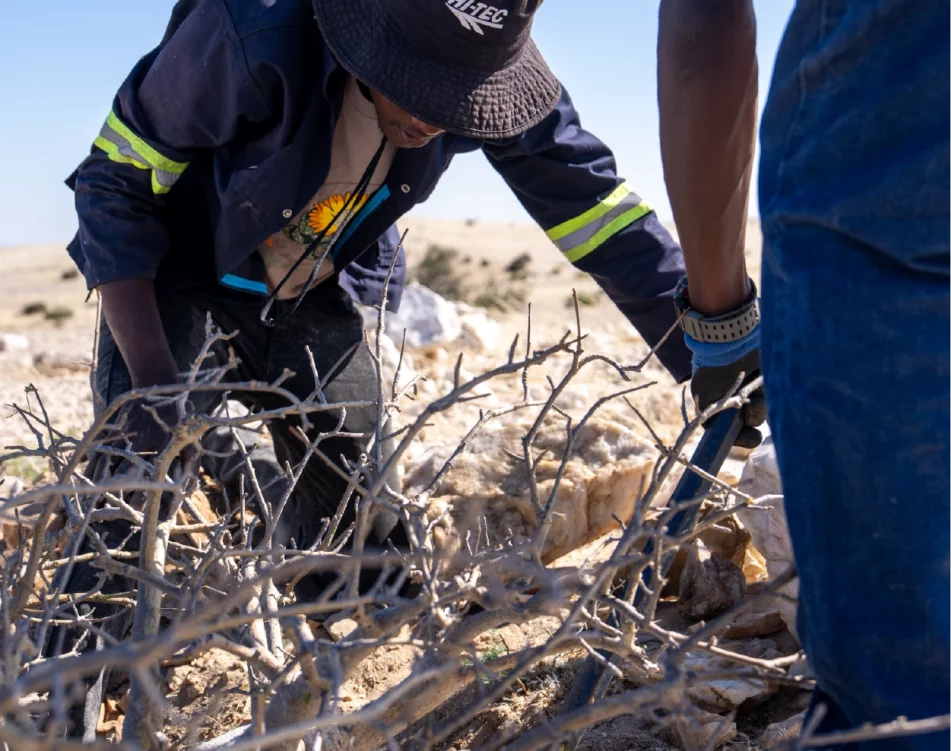
During site preparation and construction activities, biodiversity specialists identified protected plant species within the project footprint area.
These plants were carefully removed, relocated, replanted, watered, and monitored to support long-term survival and preserve local biodiversity.
In addition, a dedicated biodiversity protection area will be developed near the facility to:
Namwaste aims to demonstrate that compliant waste management infrastructure and environmental protection can coexist responsibly when managed according to international best practices.
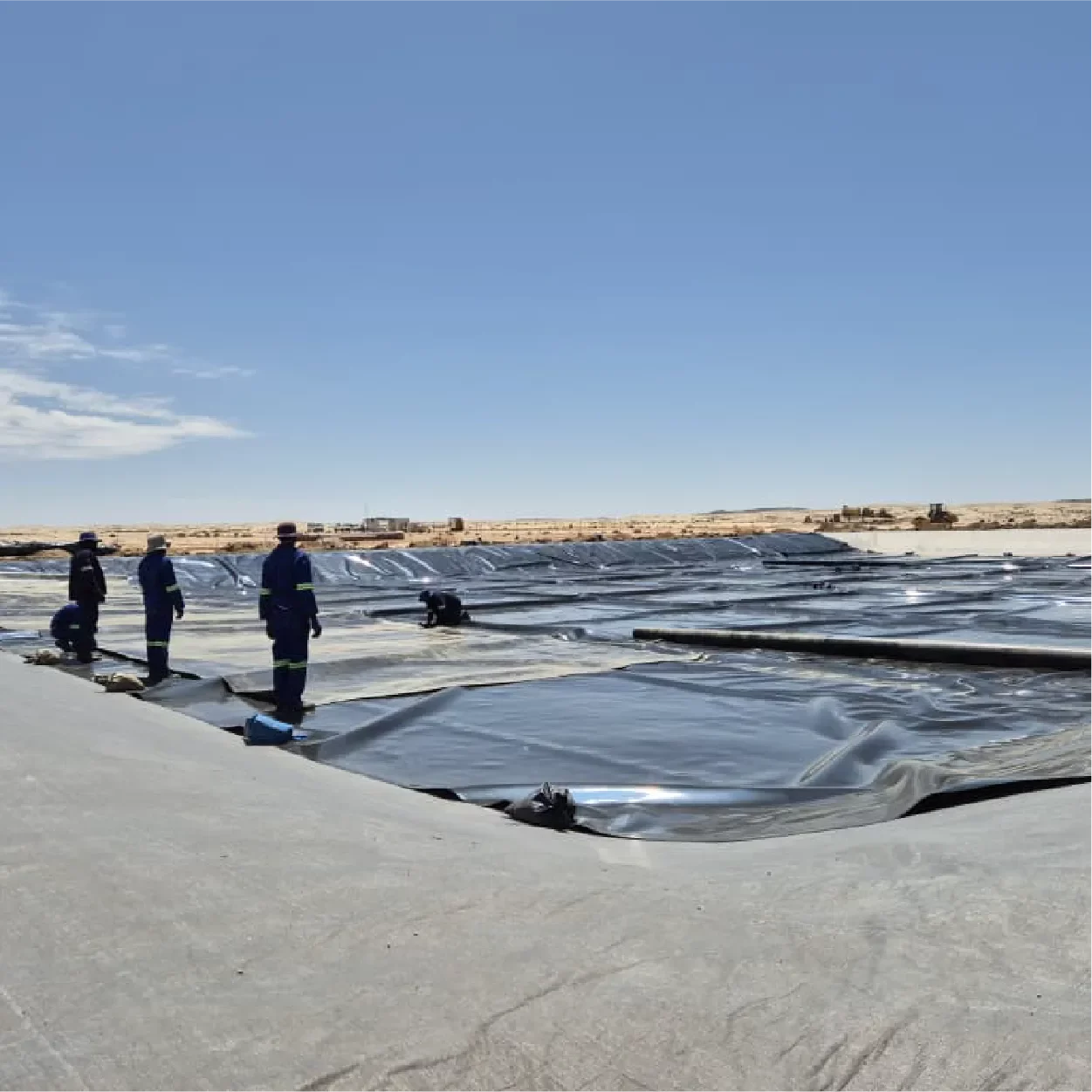
Namwaste Management Facility operates within a strict regulatory and compliance framework aligned with Namibia’s Environmental Management Act, the National Solid Waste Management Strategy, and internationally recognised hazardous waste management standards.
The facility also incorporates independent auditing, environmental monitoring, operational governance measures, and full cradle-to-grave waste traceability to ensure accountability and long-term environmental protection.
By implementing transparent and compliant systems, Namwaste supports:
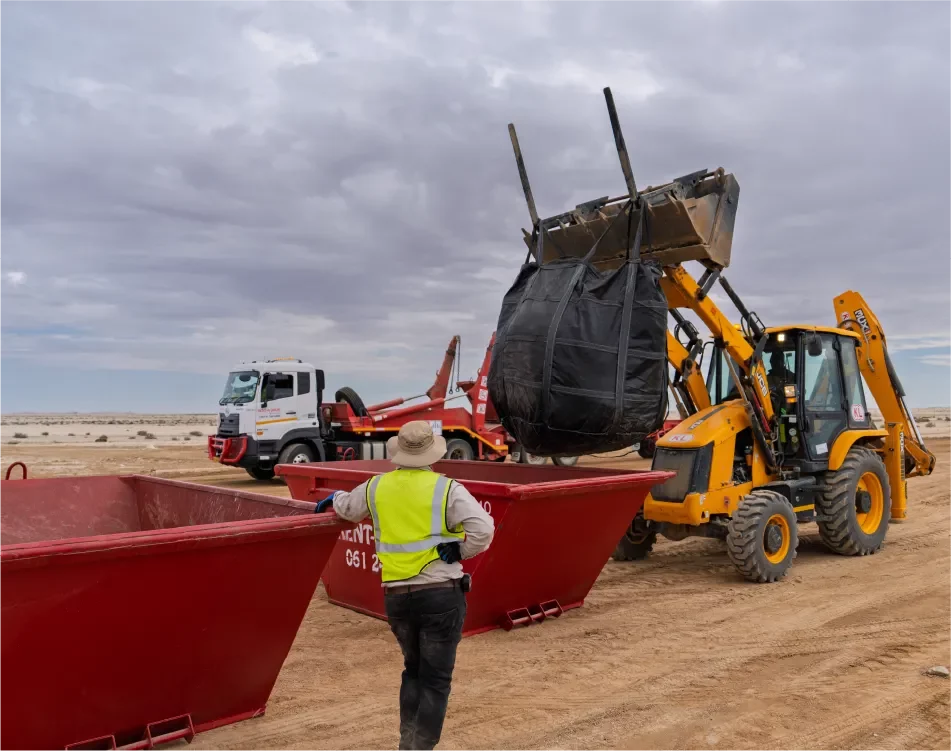
Environmental monitoring forms a critical part of Namwaste’s long-term operational philosophy.
Independent specialists continuously assess groundwater quality, groundwater levels, and air quality performance to ensure that facility operations remain compliant and environmentally safe throughout both operational and post-closure phases.
A network of 12 groundwater boreholes has been established around the site and is continuously monitored by independent specialists. Groundwater levels and water quality are assessed regularly, with detailed monthly reporting procedures in place.
Air quality monitoring equipment has been installed along dominant wind directions but also in Arandis to monitor environmental performance and ensure surrounding communities remain protected.
Namwaste operates under strict environmental governance measures, including:
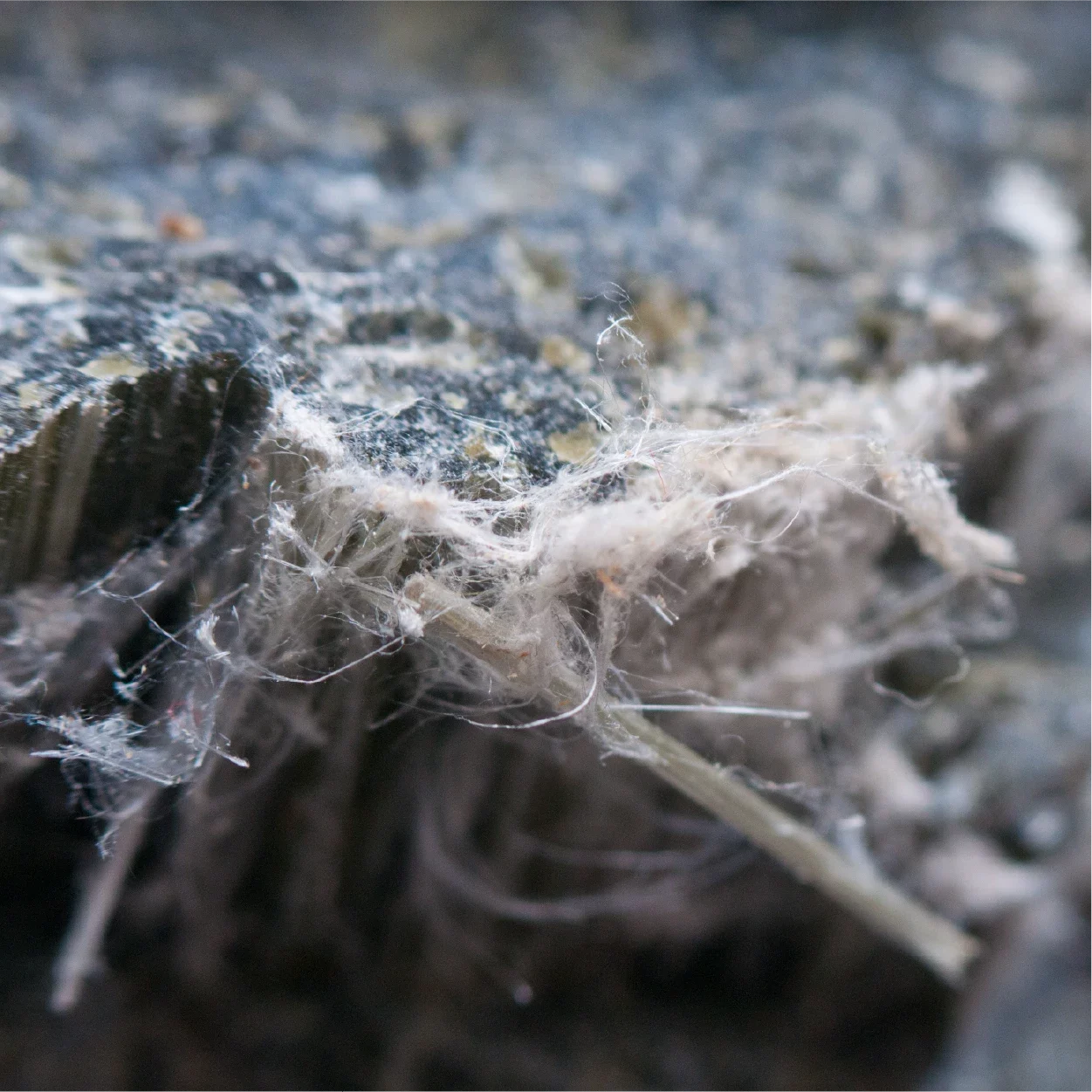
Namwaste has received approval to manage and dispose of asbestos-containing waste through dedicated handling and containment procedures designed to protect workers, surrounding communities, the environment and to propose a long-term complaint solution for this specific waste for which no deviation from best practices can be tolerated.
Due to the serious health risks associated with asbestos fibres, specialised operational controls, environmental monitoring systems, restricted disposal zones, and controlled handling procedures have been implemented to ensure safe long-term containment.
Air quality monitoring measures are conducted to ensure that asbestos management activities remain fully compliant and environmentally safe.
The approval represents an important milestone for Namibia by providing a compliant local solution for one of the world’s most highly regulated hazardous waste streams.